Sewer Inspection in New Jersey
A sewer problem you can see is a sewer problem you can solve. Arrow Sewer & Drain runs camera-based sewer diagnostics for homeowners and property managers across New Jersey — a licensed technician feeds a high-resolution sewer scope through your line, shows you its condition on video, and explains what the footage means before anyone proposes a repair. No digging, no guesswork, and no repair recommendation until the camera has made the case for it.
24/7 Emergency Sewer Inspection
When wastewater is backing up into your home or you smell sewage inside or outside, the first question is not which repair to book — it is what is happening inside the pipe.
An emergency sewer inspection answers that within the hour it takes to run the camera: whether you are dealing with a blockage that can be cleared tonight or a structural failure that needs a different plan.
Need Emergency Sewer Diagnostics?
Arrow answers 24/7 across our New Jersey service area.
NJ Master Plumber License # 36BI01352100
Call (732) 595-1595What Is a Sewer Scope Inspection?
A sewer scope inspection is a camera survey of your sewer line. The technician inserts a waterproof camera at a cleanout or other access point and drives it along the same path your wastewater travels: out of the foundation, down the sewer lateral, through the tap connection, toward the municipal main. Everything the lens passes is recorded — pipe material, joints, standing water, intrusions, and defects — with an on-screen footage counter marking the distance to each finding.
The camera also carries a transmitter. From the surface, a locator pinpoints the exact position and depth of anything the lens finds, which is what turns “there’s a problem somewhere in the yard” into “the problem is 43 feet out, 6 feet down, under the edge of the driveway.”
Homeowners typically request an inspection for recurring backups, slow drains across multiple fixtures, a real estate purchase, or simply because the house is old enough that the original pipe deserves a look.
For a deeper walkthrough of the process, see our sewer inspection guide.
What the Camera Finds: Seven Conditions Behind Nearly Every Sewer Failure
Most of the failures we diagnose across New Jersey start with the age of the pipe and the soil around it. Seven conditions account for nearly all of them — and each one has a distinct signature on camera. A sewer line camera inspection doesn’t just confirm that something is wrong; it identifies which of these conditions you have, how far it has progressed, and exactly where it sits in the line.
- Root intrusion — on camera, roots appear as fine hairs reaching through a clay pipe joint, or as a full mat filling the channel where they have had years to grow. The footage counter tells us which joint they entered through — the difference between clearing roots again next year and sealing the entry point so they stop coming back.
- Cracked or broken pipe — the lens picks up fracture lines, separated joints, and missing wall sections long before they announce themselves above ground. Caught as a hairline crack, the damage can be repaired in place; caught as a broken section, the conversation changes — which is exactly why the camera goes in first.
- Corrosion and scale buildup — in cast iron, the camera shows a rough, narrowed channel where scale has built up on the walls. What the footage reveals about the remaining sound wall determines the fix: descaling if the metal underneath is healthy, lining if the wall needs reinforcement, replacement if it doesn’t.
- Material fatigue — Orangeburg pipe, common in homes built before the 1970s, shows up on camera as an oval where a circle should be, often with the walls blistering inward. The camera measures how far the deformation has progressed — and whether there is still a passable route through the line.
- Offset sewer line — an offset appears as a lip or step where two pipe sections no longer meet flush, shifted apart by freeze-thaw cycles and ground settlement. On video we can see how severe the misalignment is, whether waste is snagging on the edge, and whether water is escaping at the gap.
- Belly in the sewer line — the camera dips below standing water where the pipe has lost its slope, then climbs back out where the grade recovers. The footage marks where the sag begins and ends, which tells us its length and depth — the facts that determine whether the section needs re-grading rather than lining.
- Collapsed sewer line — the end state of every condition above when left long enough. On camera, a collapse is where the picture stops: the lens reaches crushed pipe and can go no further. The locator then marks the exact spot and depth from the surface, so the new path or new pipe starts from a known point instead of an exploratory dig.
Which condition you have — and how far it has progressed — is what the inspection is for. The camera picks the fix: every repair recommendation we make traces back to something you can see on the recording yourself.
Where the Camera Looks: Foundation to Municipal Main
Every sewer inspection covers the full run: the camera exits your foundation, travels the length of the sewer lateral — the pipe you own — and continues toward the street. The seven conditions above don’t appear at random; they cluster at predictable points along that path, and the footage counter ties each finding to its exact spot on the run.
The most consequential of those points is the tap, where your lateral joins the municipal main. Failed, offset, or root-invaded sewer lateral connections show up clearly on camera, and they matter because the tap is the one point most repair methods can’t reach — a finding there changes the entire repair plan.
The camera also settles the question every homeowner with a sewer problem eventually asks: is this my pipe or the town’s? Problems that originate in the municipal main — a blocked or surcharged main backing up into your lateral — look different on video than a failure on your side of the boundary. Knowing which side the problem sits on, with footage to prove it, is the difference between paying for a repair and handing the evidence to your utility.
Repairs Matched to What the Camera Shows
When the inspection identifies one of the below conditions, each finding routes to a specific service — cleaning for buildup, lining for damaged walls, replacement for failed pipe.
Drain Cleaning
When the camera shows buildup or a soft blockage rather than pipe damage, professional drain cleaning restores flow without any repair work.

Hydro Jetting
High-pressure water scours grease, scale, and root mass the camera has located — often the whole fix when the pipe wall itself is sound.
Sewer Backup Repair
24/7 sewer backup response: we clear the line, then camera-inspect it so backups don't return.
Main Sewer Line Repair
For cracked, broken, or failing sections the inspection has pinpointed - from targeted repairs to full replacement of the line most homeowners call the main.

Trenchless Sewer Repair
No-dig repair methods matched to the camera's findings — the route, the walls, and the slope decide which method fits.

Trenchless Pipe Lining
When the footage shows wall damage in a pipe that has kept its shape, a cured-in-place liner rebuilds the wall from the inside.
Trenchless Pipe Bursting
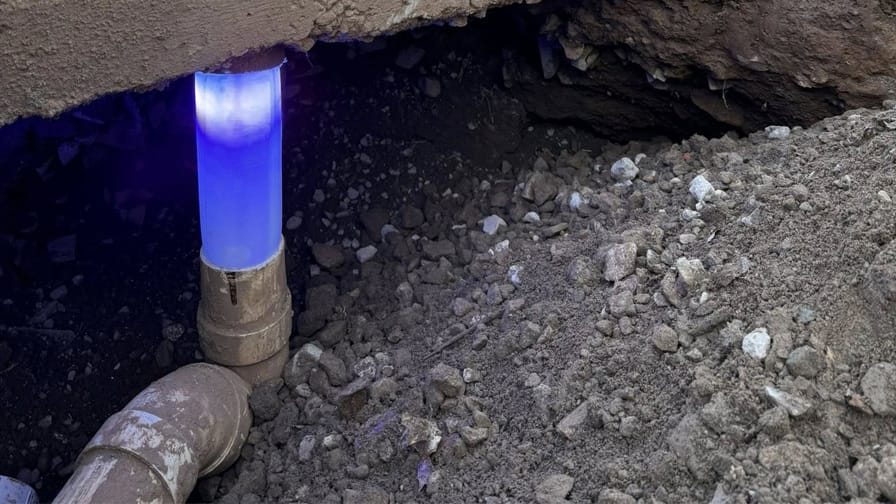
When the pipe is too degraded to line but the camera confirms a followable route, pipe bursting pulls in a new pipe along the old path.
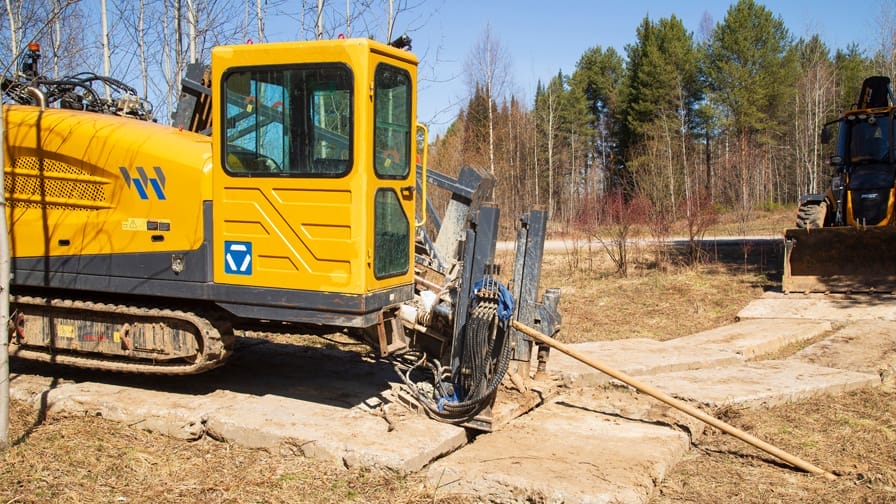
Horizontal Directional Drilling
When the camera can't pass at all — a full collapse or a lost route — HDD bores a fresh path for a new line.
Epoxy Pipe Coating
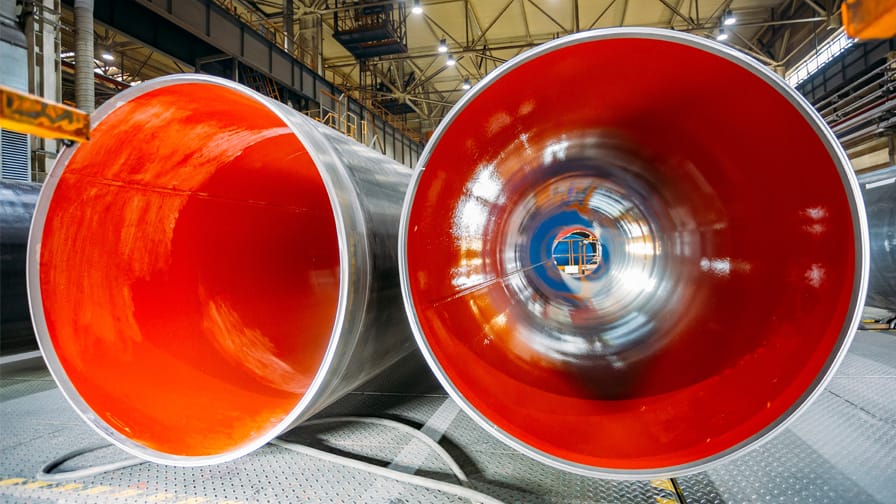
For cast iron the camera shows corroding at the surface but structurally sound, an epoxy coating protects the pipe wall.
Excavation
When the footage rules out every no-dig option — or the failed section sits where open access is the safer call — excavation removes and replaces the pipe directly.

What to Expect During a Sewer Video Inspection
- Access — the technician locates your cleanout or best access point. No plumbing shutdown is needed, and nothing about the process disturbs your landscaping.
- Camera run — the sewer scope travels the full length of the line while you watch the live feed, with the footage counter logging the distance to everything it passes.
- Assessment in real time — the technician reads the picture as it comes in: pipe material, joints, water levels, and any of the seven conditions above.
- Locating — for anything the camera finds, the surface locator marks its exact position and depth, so any future work starts from a known point.
- Review — you get the findings explained on video, in plain language, with the recording available to you. If the line is healthy, that’s the report: no repair recommendation without camera evidence behind it.
Most sewer inspections are completed within 30 to 90 minutes, depending on the length of the line and what the camera finds along the way.
When to Schedule a Sewer Line Inspection
More than one fixture is slow or backing up at the same time
The same clog keeps returning after it has been cleared
Sewage odors inside the house or in the yard
Unexplained wet spots, lush patches, or settling ground over the line's path
You're buying a home — especially one built before the 1980s
Your home still has its original clay, cast iron, or Orangeburg line and it has never been scoped

Interior Drain Line Inspection
The same diagnostic logic applies inside the house. A drain camera inspection runs a smaller-diameter scope through interior drain lines to find what keeps a specific drain misbehaving: recurring clog sources, buildup, foreign objects, cracks, or root intrusion where a drain ties into the main line. It’s also how we confirm a cleaning did its job — a post-cleaning camera pass showing clear pipe is better evidence than a drain that seems fine for now.
Interior Branch Line Inspections
A drainage branch line is the section of pipe that carries wastewater away from an individual fixture or group of fixtures toward the main drain line. When one fixture has a persistent problem while the rest of the house drains normally, a plumbing camera inspection of that branch isolates the cause without touching anything else. Our inspection cameras fit pipe as small as two inches in diameter, so nearly every branch line in the house — kitchen, bathroom, laundry — can be scoped directly.
CCTV Sewer Inspection
For commercial, industrial, and municipal systems, Arrow performs CCTV sewer inspections using robotic crawler cameras built for large-diameter pipe — 18 inches and up. Crawler units document long runs on video with precise distance logging, producing the inspection records that property managers, engineers, and municipalities require.
Sewer Inspection Across Our New Jersey Service Area
Arrow performs sewer inspections across the entire state of New Jersey. Wherever your home sits, the story underground is much the same: a large share of NJ’s housing stock was built with clay, Orangeburg, or cast iron sewer lines — the three materials behind most of the seven conditions the camera finds. Pipe that has been in the ground for fifty years or more is exactly the pipe most worth looking inside before a small defect becomes a large one.
Why Choose Arrow Sewer & Drain for Sewer Inspection
Plenty of companies own a camera. What matters is what happens with the footage. Because Arrow performs every repair method in-house — cleaning, lining, bursting, drilling, and excavation — the camera picks the fix, not the inventory. We have no reason to steer a finding toward the one service we happen to sell.
- Serving New Jersey sewer systems since 2003
- NJ Master Plumber License #36BI01352100, licensed and insured
- Rated Excellent on Google
- Video documentation provided — you keep the evidence
- Defects located by position and depth before any repair is proposed
- Rapid 24/7 emergency response
Already have a diagnosis from another company? Bring us the symptoms and we’ll put a camera on it — a second opinion backed by footage costs you nothing but the appointment.
Complimentary Live View Camera Inspection
Special Offer
We offer a complimentary live view camera inspection, with an accessible cleanout. Our licensed team will walk you through exactly what the camera finds.
If you’d like a copy of the inspection video for your records or for a real estate transaction, one can be provided for $425.00 + New Jersey sales tax.
This offer is not redeemable for real estate transactions!
Can not be applied with any other coupon.
Nearby Service Locations To Support You
Are you looking for Sewer Inspection in New Jersey? We can provide you service from:
Middlesex County, NJ
We serve Middlesex County from our offices in Middlesex, NJ and South Plainfield, NJ.
Somerset County, NJ
We serve Somerset County from our offices in Basking Ridge, NJ, and Bound Brook, NJ.
FAQs About New Jersey Sewer Inspection
How much does it cost to run a camera through a sewer line?
Right now, nothing — Arrow Sewer & Drain is currently offering a free sewer camera inspection, with a licensed technician walking you through exactly what the camera finds. Real estate transaction inspections are excluded, and certain limitations apply.
How long does a sewer inspection take?
Most sewer inspections are completed within 30 to 90 minutes, depending on the length of the line, access, and what the camera finds along the way.
What do sewer inspectors look for?
The seven conditions behind nearly every sewer failure: root intrusion, cracks and breaks, corrosion and scale, material fatigue in Orangeburg pipe, offsets, bellies, and collapse — plus the pipe’s material and overall condition. Each has a distinct signature on camera.
How do I prepare for a sewer inspection?
Clear access to your cleanout if you know where it is, and note your symptom history — which drains, how often, and when it started. No plumbing shutdown is required.
Should I get a sewer scope inspection when buying a home?
It isn’t required, but on older homes it’s some of the cheapest due diligence available. A sewer line replacement is one of the most expensive surprises a buyer can inherit, and a 30-to-90-minute camera run rules it in or out before closing.
Is a sewer inspection necessary before hydro jetting?
Often, yes. The camera confirms whether the blockage is buildup that jetting will clear or structural damage that high-pressure water would make worse. Jetting into a broken pipe is the kind of mistake an inspection exists to prevent.
Will a sewer inspection damage my lawn or landscaping?
No. Sewer inspections are completely non-invasive — the camera enters through existing access points, and the locating work happens from the surface.
How often should sewer lines be inspected?
Newer PVC lines: every 3 to 5 years. Clay, cast iron, or Orangeburg lines: every 1 to 2 years, because the seven conditions progress fastest in aging materials.
 Call Now: (732) 595-1595
Call Now for a Sewer Inspection in New Jersey
Every sound repair decision starts with seeing the problem. Whether you're chasing a recurring backup, vetting a home purchase, or checking on a line that has never been scoped, Arrow's licensed technicians put a camera in the pipe and the evidence in your hands — throughout New Jersey communities.